 EN
EN

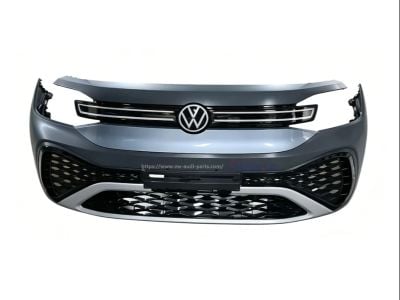
Rear Bumper Impact Bar A Complete Guide to Safety, Sourcing, and Vehicle Compatibility
When you think about car safety, you might not immediately consider the rear bumper impact bar. However, this component plays an important role in helping protect a vehicle and its occupants during a collision. A strong impact bar can help absorb and distribute energy from a rear-end impact, reducing the force transferred to other parts of the vehicle. If the bar is weak, damaged, or not designed for the specific vehicle, its ability to provide protection may be reduced.
At Antu, we understand the importance of reliable automotive components. A rear bumper impact bar is more than simply a piece of metal behind the bumper. It forms part of the vehicle's rear protection structure and can help limit damage during certain types of collisions. For drivers, repair shops, distributors, and automotive businesses, selecting the right component is an important part of maintaining vehicle safety and reliability.
How Rear Bumper Impact Bars Enhance Vehicle Structural Integrity?
A rear bumper impact bar acts as an important structural component positioned behind the rear bumper cover. During a collision, it helps manage and distribute impact forces across a wider area of the vehicle. Instead of allowing all the force to concentrate on one small section, the bar can help spread the energy through the bumper and supporting structures.
The materials used to manufacture an impact bar are also important. Strong materials such as steel or other engineered materials can provide the strength required for everyday driving conditions and collision protection. The exact construction depends on the vehicle's design, specifications, and safety requirements. This is why an impact bar designed for one vehicle should not automatically be assumed to be suitable for another.
A properly designed automobile swing arms impact bar can also help protect components located behind the bumper. These may include parts of the vehicle's body structure, electrical components, storage areas, and other systems positioned near the rear section. By helping manage collision energy, the component can contribute to reducing the extent of damage in certain accidents.
At Antu, quality and reliability are important considerations when producing automotive components. A well-made impact bar should have appropriate dimensions, mounting points, materials, and construction for its intended vehicle application. Choosing a suitable replacement can therefore support both vehicle performance and safety.
It is also important to remember that an impact bar may suffer damage even when the bumper cover does not appear seriously damaged. After a collision, hidden deformation or structural damage may not always be visible from the outside. For this reason, damaged vehicles should be inspected by a qualified professional before replacement parts are selected or installed.
Where to Source Durable Rear Bumper Impact Bars for Your Auto Business?
For auto parts distributors, repair shops, and other automotive businesses, finding dependable sources for rear bumper impact bars is essential. The right supplier can help businesses maintain product quality while also providing consistent availability and competitive pricing.
One option is to work directly with manufacturers that specialize in automotive components. Manufacturers can often provide detailed product information, vehicle compatibility data, production specifications, and wholesale purchasing options. Building a long-term relationship with a reliable manufacturer can also make it easier for businesses to manage recurring orders.
Online automotive distributors are another possible source. These suppliers may offer a broad selection of impact bars for different vehicle applications. However, buyers should carefully review product descriptions, dimensions, mounting information, material specifications, and compatibility before placing an order. Customer reviews can also provide useful information about product quality and supplier service.
Price should not be the only factor when sourcing automotive safety components. A very low-cost component may not provide the quality, durability, or precise fit required for a particular vehicle. Businesses should consider the total value of the product, including manufacturing quality, shipping costs, lead times, warranty support, and after-sales service.
Local suppliers can also be useful for businesses that need faster access to replacement components. Establishing a relationship with a local distributor may provide advantages when urgent repairs require quick delivery. However, businesses should still verify that the products meet the required vehicle specifications.
For wholesale buyers, purchasing directly from Antu can be an option when looking for automobile bearings automotive components. Bulk purchasing may provide more competitive pricing while helping businesses maintain sufficient inventory. Before ordering, buyers should provide accurate vehicle and product information to ensure they receive the correct rear bumper impact bar for their application.
How to Identify the Best Rear Bumper Impact Bar for Your Vehicle Brand?
Choosing the correct rear bumper impact bar starts with identifying the vehicle accurately. Different vehicle brands and models can have different bumper structures, dimensions, mounting locations, and engineering requirements. Even vehicles that look similar may require completely different impact bars.
Start by checking the vehicle's make, model, year, and specific configuration. The vehicle identification number, or VIN, may also be useful when confirming the correct replacement component. Product or part numbers should be compared carefully with the information provided by the manufacturer or supplier.
Fit is another major consideration. The impact bar should have the correct dimensions and mounting points for the vehicle. A component that does not fit correctly may create installation problems and may not function as intended. Buyers should never assume that a component is compatible simply because it looks similar to the original part.
Material and construction should also be considered. Steel is commonly used for structural automotive components because of its strength, while other engineered materials may be selected depending on the vehicle design. The most appropriate material depends on the original equipment specifications and intended application.
Testing and quality control are equally important. Buyers should look for suppliers that provide clear information about manufacturing standards and product testing. This can provide greater confidence that the component has been produced consistently and according to its intended specifications.
Customer feedback can also help when evaluating suppliers and products. Reviews may provide insight into fitment, finish, durability, packaging, and customer service. However, reviews should be considered together with technical specifications rather than used as the only basis for making a purchasing decision.
At Antu, the focus is on providing automotive components designed for their intended applications. By checking vehicle specifications, part numbers, construction details, and supplier information before purchasing, buyers can make a more informed decision and reduce the risk of ordering an unsuitable rear bumper impact bar.
Common Misunderstandings About Rear Bumper Impact Bars
There are several common misunderstandings about rear bumper impact bars that can lead to poor purchasing decisions. One of the most common is the belief that all impact bars are essentially the same. In reality, different vehicles can require different designs based on their size, weight, body structure, mounting system, and engineering requirements.
For example, a component designed for a large vehicle may have different dimensions and structural characteristics from one designed for a smaller passenger car. Using an incorrect part can create fitment issues and may compromise the intended function of the bumper system.
Another misconception is that an impact bar only matters during major accidents. Even lower-speed collisions can cause damage to bumper components and supporting structures. While the visible bumper cover may look acceptable after a minor collision, the components behind it may still require inspection.
Some vehicle owners also assume that choosing the cheapest replacement component is always the best way to reduce repair costs. However, automotive safety components should not be selected based solely on price. Quality, compatibility, materials, manufacturing standards, and supplier reliability should all be considered.
There is also a misconception that an impact bar is safe if it looks undamaged. Unfortunately, some structural damage may not be obvious during a simple visual inspection. After a collision, professional inspection is recommended to determine whether the component remains suitable for use.
Finally, vehicle owners should avoid assuming that a replacement component will fit simply because it is advertised for a similar vehicle. Always verify the exact make, model, year, part number, and specifications before purchasing. At Antu, reliable automotive components are developed with the intended application in mind, helping businesses and vehicle owners make safer and more informed replacement decisions.
A high-quality rear bumper impact bar is an important part of a vehicle's body systems structure. By choosing the correct component, working with a dependable supplier, and having collision damage properly inspected, vehicle owners and automotive businesses can support better safety, fitment, and long-term reliability.
Table of Contents
- Rear Bumper Impact Bar A Complete Guide to Safety, Sourcing, and Vehicle Compatibility
- How Rear Bumper Impact Bars Enhance Vehicle Structural Integrity?
- Where to Source Durable Rear Bumper Impact Bars for Your Auto Business?
- How to Identify the Best Rear Bumper Impact Bar for Your Vehicle Brand?
- Common Misunderstandings About Rear Bumper Impact Bars