 EN
EN

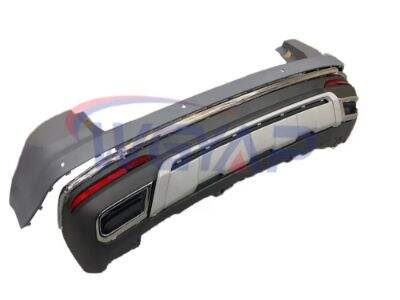
Distributors plays a key role in ensuring car parts such as rear bumpers are available for customers. One big thing about rear bumpers is the material types used to create them. Different materials can change how tough and safe a bumper becomes. At Antu, we take this very seriously. Knowing about material grades help distributors pick the right bumpers for their clients. This piece will talk about what distributors should know on rear bumper material grades, how these grades change performance, and why it matters for safety.
What Distributors Need to Know About Rear Bumper Material Grades
Material grades tell the kind of stuff used in making rear bumpers. Common ones include plastic, aluminum, and steel. Each have their own good and bad points. For instance, plastic is light and can mold into various shapes. But it might not be as sturdy like metal. Aluminum is lighter than steel yet still tough, so it make a good pick for many cars. Steel is super strong and lasts long but it can be heavy. Distributors need to get these differences to assist customers in choosing the best bumper for what they need. And it’s key to know that not all bumpers are built the same. Some have extra stuff like reinforcements for more strength. That’s where grades fit in. A higher grade often mean better quality. Distributors should check for bumpers that match industry rules and have been tested for how they work. At Antu, we aim to supply high-quality bumpers that meet these, making sure they are dependable and safe for drivers.
How Material Grades Impact Rear Bumper Performance and Safety
The material grade of a rear bumper influence how it does in a crash. A bumper from high-grade stuff can soak up energy better, which help protect people inside the car. For example, in a collision, a good plastic bumper can bend and flex, lessening the hit on the vehicle. On the other side, a low-grade one might crack or snap, causing more harm. Distributors should tell their customers about these diffs. A solid bumper can save lives. It also matter for insurance. Many insurance firms look at bumper quality when settling accident claims. If a bumper use cheap materials, it might not hold up, leading to bigger repair bills. At Antu, we put safety first by using materials that go through tough tests. This make our bumpers work well and guard drivers and passengers good. With this, distributors who know grades can guide customers to smart picks, for safer rides.
What Common Material Grades Are Used in Rear Bumper Production?
When producing rear bumpers for vehicles, various materials gets used. These are called "grades." Each grade has unique traits that help protect the car during a bump. One usual grade is polypropylene. It’s a plastic that’s strong but light. It shapes easy, that’s why makers like Antu use it for rear bumper bar. Polypropylene is awesome as it absorbs hits, keeping folks safe in accidents.
Another one is steel. Steel is very sturdy and handles lots of force. It heavier than plastic, so some like it for big vehicles like trucks or SUVs. Steel bumpers last long, but they can rust if not cared for right. Finally, fiberglass. This is glass mixed with resin, so it strong yet light. Fiberglass bumpers look stylish and come in colors, but they not as popular like plastic or steel because cost more.
Knowing these material grades is vital for sellers or buyers of rear bumpers. Distributors should grasp the diffs to help clients choose best. At Antu, we try to teach our partners about pros and cons of each grade, so they can give top options to customers.
What Wholesale Buyers Should Look for in Rear Bumper Material Quality
When wholesale buyers search for rear bumpers, they must watch the material quality close. Quality counts because it changes how the bumper guards the car and riders. First, check the thickness of the material. Thicker ones usually stronger and take more hits. But they also need to be light so not add too much weight, which could hurt fuel use.
Next, think about the finish on the bumper. A nice finish makes it look good and shields from scratches or weather. Buyers should ask if it has a special coat against UV or rust, specially for steel. At Antu, we use top finishes to make our front and rear bumper pretty and durable.
Another thing is the flex of the material. If too stiff, it might break on impact, while too bendy might not protect enough. Balance is important. Buyers should ask about tests too. Tested bumpers for safety are more trusty. At Antu, we do different tests to meet safety rules. By watching these, wholesale buyers can decide smart and pick bumpers that help their customers well.
What Factors Influence the Pricing of Rear Bumper Material Grades?
The cost of rear bumpers vary a lot, and some factors decide the price. First, the material type affects it big. Like, steel bumpers often cost more than polypropylene ones because steel is pricier to get and work with. Plus, making steel bumpers can be harder, raising the price.
In addition, material quality plays in. Better quality, like more lasting or with extra coats, usually have higher tags. Buyers should see if the extra spend worth it for better safety and life. At Antu, we think putting money in quality pays later.
Size and design of the bumper can change price too. Custom or big ones cost more than normal. This because making special shapes or sizes take more time and stuff. Buyers should consider what customers want, standard or custom.
Last, market demand can shift prices. High demand for a bumper type may up the cost. Or if too much supply, prices drop. Getting these help distributors buy wiser. At Antu, we keep prices fair while giving quality bumpers that fit customer needs.
Table of Contents
- What Distributors Need to Know About Rear Bumper Material Grades
- How Material Grades Impact Rear Bumper Performance and Safety
- What Common Material Grades Are Used in Rear Bumper Production?
- What Wholesale Buyers Should Look for in Rear Bumper Material Quality
- What Factors Influence the Pricing of Rear Bumper Material Grades?